Drone Startup Elroy Air to Go Public Via $1B SPAC Deal
Elroy Air, a drone startup, will go public via a $1 billion SPAC deal to fund its Chaparral cargo drone, offering a case study for founders navigating public markets.
Drone Startup Elroy Air to Go Public Via $1B SPAC Deal
Elroy Air, the South San Francisco-based drone startup founded in 2016, announced its intention to go public through a $1 billion SPAC deal with K5 Global Acquisition Corp., with the combined entity anticipated to list on Nasdaq under the ticker "ELOY" by Q4 2024. This strategic move signals a significant financial play for a growth-stage drone company, aiming to fund the certification and production of its Chaparral cargo drone, and offers a case study for founders considering alternative routes to public markets amidst fluctuating capital access.
Quick takeaways
- Elroy Air plans to go public via a $1 billion SPAC deal with K5 Global Acquisition Corp., targeting a Q4 2024 Nasdaq listing under "ELOY."
- The transaction includes a $12 million PIPE led by existing investor Lockheed Martin Ventures.
- The company's flagship Chaparral drone is an autonomous hybrid-electric system designed for cargo transport, capable of carrying up to 500 pounds for 300 miles.
- Elroy Air has secured $200 million in letters of intent from customers like AYR Logistics, L3Harris, Mesa Airlines, and the US Air Force.
- The decision to pursue a SPAC highlights the continued use of this listing method for growth-stage startups, despite increased scrutiny and a general decline in popularity since its pandemic-era peak.
The $1 Billion Public Debut
Elroy Air, the autonomous cargo drone developer, is set to enter the public markets through a Special Purpose Acquisition Company (SPAC) merger with K5 Global Acquisition Corp. (NASDAQ: KGL). The deal values the combined entity at approximately $1 billion, positioning the South San Francisco-based company for a Nasdaq listing under the new ticker symbol "ELOY." This transaction is expected to finalize in the fourth quarter of 2024, marking a pivotal moment for Elroy Air's commercialization efforts and the broader drone industry.
The decision to pursue a SPAC listing provides Elroy Air with a capital infusion intended to accelerate the certification and production phases of its Chaparral cargo drone. This financial strategy is critical for a hardware-intensive startup operating in a highly regulated sector like aviation. The $1 billion valuation reflects investor confidence in the company's technology and market potential, even as the SPAC market itself navigates a period of increased regulatory scrutiny and a general cooling trend following its peak during the pandemic era. For growth-stage founders, Elroy Air's path offers a contemporary example of leveraging alternative public listing mechanisms to secure substantial funding, sidestepping some of the traditional IPO complexities while still facing market and regulatory pressures inherent in public offerings.
A key component of this transaction is a $12 million Private Investment in Public Equity (PIPE) round. This PIPE is notably led by Lockheed Martin Ventures, an existing investor in Elroy Air. The participation of a strategic investor like Lockheed Martin Ventures in the PIPE signals continued confidence in Elroy Air's technology and its potential applications, particularly within defense and logistics sectors. PIPE investments often serve to stabilize a SPAC merger by providing additional capital and demonstrating institutional backing, which can be crucial in attracting other public market investors. This $12 million commitment underscores the ongoing financial support from established players, validating Elroy Air's technological trajectory and market strategy. The overall structure of the deal aims to provide Elroy Air with the necessary capital to scale its operations, move beyond research and development, and deliver its autonomous drone solutions to a range of customers.
Elroy Air's Chaparral and Market Position
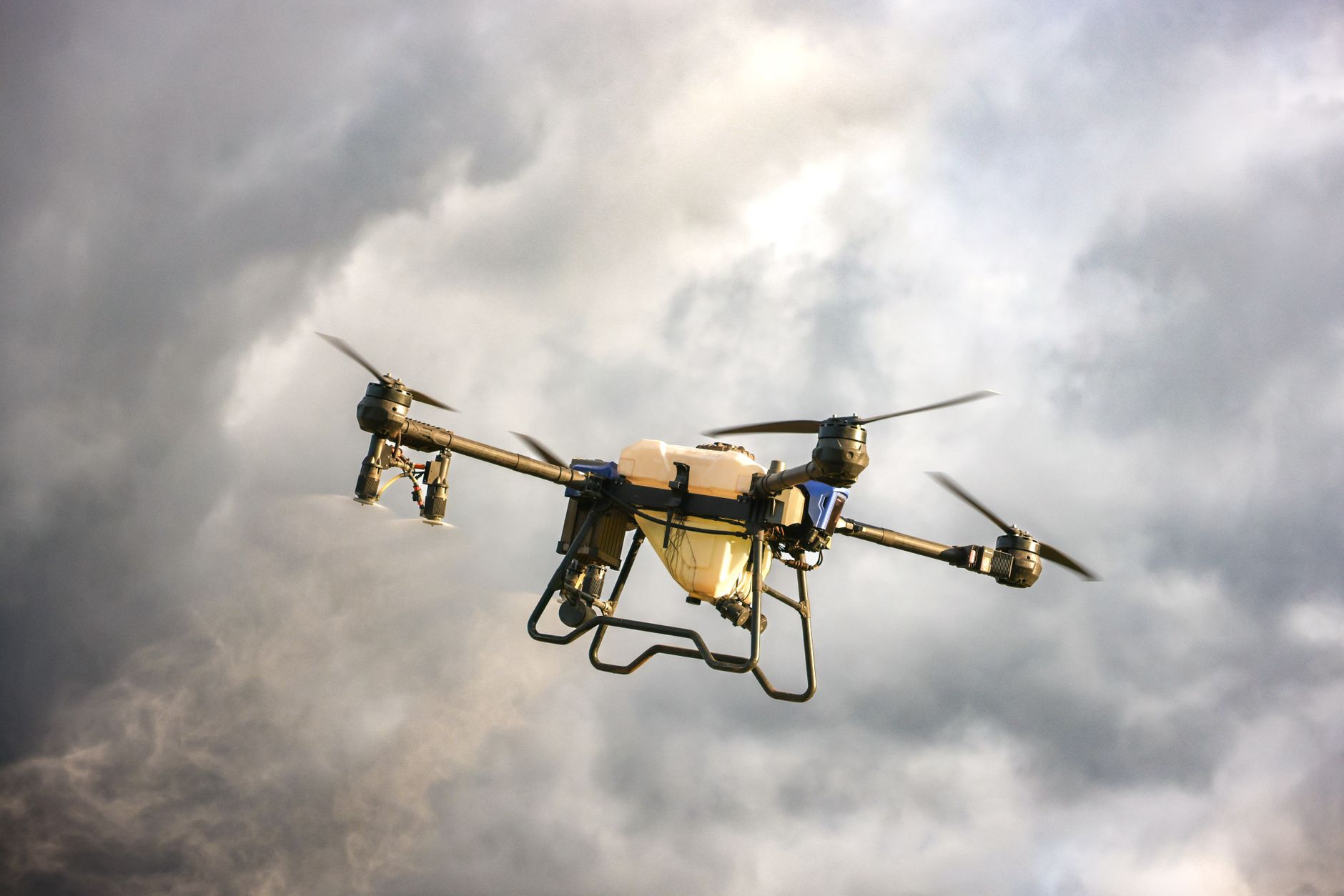
Elroy Air’s core offering is the Chaparral, an autonomous hybrid-electric cargo drone designed for logistics. This system is engineered to transport significant payloads, specifically up to 500 pounds of cargo, over considerable distances, with a stated range of 300 miles. The Chaparral's hybrid-electric propulsion system combines the endurance of traditional fuel-powered engines with the efficiency and reduced emissions of electric motors, a configuration suited for varied operational environments and longer missions than purely electric counterparts. The autonomous nature of the Chaparral aims to address challenges in last-mile delivery, remote logistics, and rapid response scenarios where traditional infrastructure may be limited or unavailable.
The company has demonstrated market traction, securing $200 million in letters of intent (LOIs) from a diverse set of customers. These include AYR Logistics, a humanitarian aid and disaster relief logistics provider; L3Harris, a defense contractor; Mesa Airlines, a regional airline; and the US Air Force. The breadth of these LOIs—spanning humanitarian, defense, and commercial aviation sectors—underscores the Chaparral's versatility and the varied market needs it aims to fulfill. For instance, the US Air Force's interest highlights potential applications in military resupply and tactical logistics, where autonomous systems can reduce risk to personnel and increase operational efficiency. Mesa Airlines' LOI suggests a future where autonomous drones supplement or integrate into existing air cargo networks, particularly for regional routes or specialized freight. AYR Logistics' engagement points to critical applications in delivering essential supplies to hard-to-reach areas, a domain where speed and reliability are paramount.
The Chaparral's specifications—500 pounds of cargo over 300 miles—position Elroy Air in a specific segment of the burgeoning autonomous cargo market. While companies like Zipline and Wing focus on lighter, smaller package delivery, the Chaparral targets a heavier lift capability, bridging the gap between small package drones and traditional manned cargo aircraft. This differentiation allows Elroy Air to address logistics challenges that require substantial payloads but do not necessitate the full capacity or operational complexity of a large cargo plane. The hybrid-electric design also offers a potential advantage in operational flexibility and environmental footprint compared to solely fuel-based systems for similar payloads. The company's strategy involves addressing a clear market gap for medium-to-heavy lift autonomous cargo transport, a niche that has significant implications for defense, humanitarian aid, and express logistics, as evidenced by its robust customer interest.
The SPAC Path: Risks and Rewards for Growth Startups
Elroy Air’s decision to go public via a SPAC highlights a persistent, albeit evolving, avenue for growth-stage companies seeking capital. SPACs, or Special Purpose Acquisition Companies, are shell corporations that raise capital through an initial public offering (IPO) with the sole purpose of acquiring an existing private company, thereby taking it public. This method gained significant popularity during the pandemic era, offering a faster and often less stringent route to public markets compared to traditional IPOs. However, the SPAC listing method has since faced increasing scrutiny from regulators and investors, coupled with a significant decline in its overall popularity. Many SPAC deals from the peak period have underperformed, leading to investor skepticism and tighter regulatory oversight from the SEC.
For Elroy Air, opting for a SPAC, particularly at a $1 billion valuation, signals a strategic calculation. The primary reward for a company like Elroy Air is access to substantial capital—in this case, intended to fund the crucial certification and production phases of its Chaparral drone. Developing and deploying advanced aviation hardware requires immense financial resources for R&D, manufacturing infrastructure, regulatory compliance, and market penetration. A traditional IPO process can be lengthy, unpredictable, and highly dependent on market windows, which may not align with a startup's immediate capital needs. A SPAC can offer a more predictable timeline and a negotiated valuation, providing certainty in fundraising that is attractive to founders focused on execution. The $12 million PIPE led by Lockheed Martin Ventures further de-risks the transaction by adding committed institutional capital, a critical factor in a less enthusiastic SPAC market.
However, the risks associated with SPACs are considerable. Post-merger performance has been a concern, with many de-SPACed companies struggling to meet initial projections or maintain their valuations in the public market. Founders considering this path must contend with intense public market scrutiny from day one, often without the extensive track record expected of traditional IPO candidates. Shareholder redemptions, where investors in the SPAC choose to redeem their shares for cash rather than participate in the merger, can also significantly reduce the capital available to the target company. For Elroy Air, the challenge will be to execute on its ambitious production and certification goals post-merger, demonstrating tangible progress and revenue generation to justify its $1 billion valuation to public shareholders. This move signifies a calculated gamble, prioritizing immediate capital access for critical development milestones over potentially more conservative, but slower, fundraising routes. Founders contemplating a similar path must weigh the speed and capital access against the increased regulatory burden, market volatility, and the pressure to deliver results under public scrutiny.
Investor Confidence and Prior Backing
The $1 billion SPAC deal and the accompanying $12 million PIPE led by Lockheed Martin Ventures underscore a significant vote of confidence in Elroy Air's technology and market strategy. Lockheed Martin Ventures' continued investment, transitioning from a prior backer to a lead investor in the PIPE, indicates a strategic alignment and belief in the Chaparral's potential, particularly given Lockheed Martin's deep roots in aerospace and defense. This institutional backing sends a strong signal to other investors about the viability and long-term prospects of Elroy Air's autonomous cargo drone platform.
Beyond Lockheed Martin Ventures, Elroy Air has attracted a notable roster of existing investors since its founding in 2016. These include prominent venture capital firms and strategic funds such as Sutter Hill Ventures, Marlinspike, AEI HorizonX, Catapult Ventures, Prosperity7 Ventures, and Cooper Family Office. Sutter Hill Ventures, known for its early-stage investments in technology, suggests an initial belief in the foundational technology and vision of Elroy Air. AEI HorizonX, the venture capital arm of Boeing, also points to interest from the established aerospace industry in next-generation aviation solutions. Prosperity7 Ventures, a global venture capital fund, signifies international investor interest and a broader recognition of Elroy Air's potential beyond domestic markets.
This diverse investor base reflects a multifaceted appeal: the disruptive potential of autonomous logistics, the technological sophistication of the hybrid-electric Chaparral, and the broad market applications spanning commercial, defense, and humanitarian sectors. The collective backing from these entities indicates that Elroy Air has consistently demonstrated progress in its development and strategic planning, allowing it to attract and retain significant capital from sophisticated investors. For founders, this demonstrates the importance of building a strong investor syndicate that not only provides capital but also strategic guidance and validation. The ability to secure a PIPE led by an existing, industry-aligned investor like Lockheed Martin Ventures, especially in a challenging SPAC market, highlights the depth of this investor confidence and the perceived value of Elroy Air's intellectual property and market positioning. This consistent support has been instrumental in enabling Elroy Air to reach a stage where it can pursue a public listing and scale its operations.
Founding Story and Strategic Vision
Elroy Air was founded in 2016 and is headquartered in South San Francisco, establishing its roots in one of the world's leading innovation hubs. While specific details on the individual backgrounds of its founders, Karthik Balakrishnan and David Merrill, are not provided in the key facts, the company's trajectory and mission can be inferred from its product development and strategic choices. The decision to build an autonomous hybrid-electric cargo drone capable of carrying 500 pounds for 300 miles points to a foundational vision centered on addressing critical logistics gaps. This vision likely stems from an understanding of the limitations of existing supply chains, particularly in remote, challenging, or time-sensitive environments, and the potential of autonomous systems to revolutionize these operations.
The strategic choice to pursue a SPAC deal at this juncture, rather than another private funding round or a traditional IPO, is a direct reflection of this vision and the company's immediate needs. The stated purpose of the capital raised through the SPAC is to fund the "certification and production" of the Chaparral. Certification in aviation is a notoriously rigorous and capital-intensive process, requiring extensive testing, regulatory compliance, and documentation. Similarly, scaling from prototype to mass production demands significant investment in manufacturing facilities, supply chain development, and workforce expansion. By opting for a SPAC, Elroy Air's leadership, including Balakrishnan and Merrill, has prioritized securing a large, public capital injection to aggressively pursue these critical operational milestones. This move suggests a belief that speed to market and the ability to rapidly scale production are paramount to capturing a leading position in the emerging autonomous cargo drone sector.
This strategic vision extends beyond just building a drone; it encompasses creating a new paradigm for logistics. The securing of $200 million in letters of intent from diverse customers like the US Air Force, AYR Logistics, L3Harris, and Mesa Airlines is not just a commercial win, but a validation of this broader vision. It indicates that the company's founders have successfully articulated a compelling value proposition that resonates across multiple high-value segments. For other founders, Elroy Air's journey highlights the importance of not only developing innovative technology but also crafting a clear strategic roadmap for commercialization, understanding the capital requirements at each stage, and making decisive choices about fundraising mechanisms that align with the company's growth objectives and market timing. The SPAC, despite its challenges, represents a deliberate strategic choice by Elroy Air's leadership to accelerate its path to becoming a significant player in autonomous logistics.
Implications for the Drone Industry
Elroy Air's $1 billion SPAC deal carries significant implications for the broader drone industry, particularly for companies operating in the autonomous cargo and logistics sectors. Firstly, this valuation signals a robust and growing investor confidence in the commercial viability of heavy-lift, long-range autonomous drones. While smaller drones have found success in niche delivery services, Elroy Air's focus on 500-pound payloads over 300 miles demonstrates a belief that the market is maturing for more substantial cargo applications. This can validate the business models of other startups developing similar or complementary technologies, potentially attracting more venture capital and strategic investments into the sector. It suggests that the market is moving beyond proof-of-concept to serious commercialization and deployment.
Secondly, Elroy Air's successful pursuit of a public listing, even through the scrutinized SPAC route, opens a potential pathway for other drone companies seeking significant capital for scaling operations. Many hardware-intensive drone startups face immense capital requirements for R&D, manufacturing, and regulatory certification. Traditional IPOs can be challenging for companies without established revenue streams or long operating histories. If Elroy Air successfully navigates its public market debut and begins production and certification as planned, it could serve as a case study, encouraging other drone companies to explore SPACs or similar alternative listing mechanisms. This could diversify the funding landscape for hardware startups, which historically have faced steeper capital hurdles than software ventures.
Finally, the deal's customer letters of intent—from the US Air Force, L3Harris, Mesa Airlines, and AYR Logistics—underscore the diverse and critical applications for advanced autonomous drones. This broad customer base highlights that the impact of such technology extends across defense, commercial aviation, and humanitarian aid. For the drone industry, this means a larger addressable market and a greater impetus for innovation in areas like payload capacity, range, autonomy, and hybrid propulsion systems. It also suggests increased collaboration opportunities between drone manufacturers and established players in aerospace, defense, and logistics. The success of Elroy Air could accelerate the integration of autonomous cargo capabilities into existing supply chains and military operations, pushing the entire industry forward in terms of technological development and market adoption.
FAQ
Q: What is Elroy Air's flagship product? A: Elroy Air's flagship product is the Chaparral, an autonomous hybrid-electric cargo drone. It is designed to carry up to 500 pounds of cargo for 300 miles, focusing on logistics and heavy-lift applications San Francisco Business Times, 2024.
Q: What is the valuation of the SPAC deal and when is it expected to close? A: The SPAC deal values the combined company at approximately $1 billion. The transaction with K5 Global Acquisition Corp. is anticipated to close in the fourth quarter of 2024, at which point Elroy Air will trade on Nasdaq under the ticker "ELOY" San Francisco Business Times, 2024.
Q: Who are some of Elroy Air's key customers and investors? A: Elroy Air has secured $200 million in letters of intent from customers including AYR Logistics, L3Harris, Mesa Airlines, and the US Air Force. Existing investors include Sutter Hill Ventures, Marlinspike, AEI HorizonX, Catapult Ventures, Prosperity7 Ventures, and Cooper Family Office. Lockheed Martin Ventures led a $12 million PIPE as part of the SPAC deal San Francisco Business Times, 2024.
Q: Why did Elroy Air choose the SPAC route for going public? A: Elroy Air chose the SPAC path to fund the certification and production of its Chaparral cargo drone. This method can offer a faster and more predictable route to accessing substantial public capital compared to traditional IPOs, despite increased scrutiny of SPACs since their pandemic-era peak San Francisco Business Times, 2024.
Q: What are the implications of this deal for the drone industry? A: This $1 billion deal signals growing investor confidence in heavy-lift autonomous cargo drones, validating the market for more substantial drone logistics. It could also open alternative public funding pathways for other hardware-intensive drone startups and accelerate the integration of autonomous cargo capabilities across defense, commercial, and humanitarian sectors San Francisco Business Times, 2024.
Reader questions.
About “Drone Startup Elroy Air to Go Public Via $1B SPAC Deal” — five of the most-asked, in the desk's own words.
01How is Elroy Air going public?
Elroy Air plans to go public through a $1 billion SPAC deal with K5 Global Acquisition Corp., with the combined entity anticipated to list on Nasdaq under the ticker "ELOY" by Q4 2024.02What is Elroy Air's flagship product?
Elroy Air's core offering is the Chaparral, an autonomous hybrid-electric cargo drone designed for logistics. It can transport up to 500 pounds of cargo for 300 miles, addressing last-mile and remote delivery challenges.03Who are Elroy Air's key customers or partners?
Elroy Air has secured $200 million in letters of intent from diverse customers including AYR Logistics, L3Harris, Mesa Airlines, and the US Air Force, demonstrating broad market interest.04What is the significance of the $12 million PIPE?
The $12 million Private Investment in Public Equity (PIPE) round is led by existing investor Lockheed Martin Ventures. It signals continued confidence in Elroy Air's technology and provides crucial additional capital for the SPAC merger.05Why did Elroy Air choose a SPAC over a traditional IPO?
The decision to pursue a SPAC highlights its continued use for growth-stage startups to secure substantial funding, sidestepping some traditional IPO complexities while still facing market and regulatory pressures inherent in public offerings.